Read the Server Before You Draft
I wrote a morning briefing skill for the Law Gazette and left out the part where you actually build it. Here it is with the building left in — pointed at a live legal database instead of an RSS feed, which changed the brief more than the change of source did.
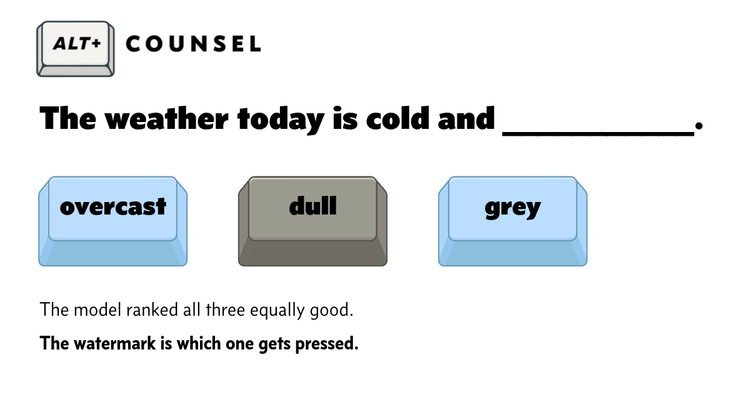
Tell Me What the Watermark Does and I'll Tell You What You Think an LLM Is
Three camps argued about Claude's watermark in its first week, and each described a different imaginary object. Working out what it actually does turns out to be a decent test of what you think a language model is.
Come Into the Bakery: What I Did With All That Legal Data
Legal data has meant win rates and disposition times — the machinery around the law, never what the law now says. So I baked Singapore's legal day into something you take in at a glance, and I'm still wondering what a glance can give you.
I'm the Official Cat Herder of a Legal AI Project
A group of lawyers decided their open-source legal AI needed a review committee, and made me one of its founding members. I can't write the code. I'm herding these cats anyway — for the rest of 2026.
Every Answer Was Correct. That's What Made It Hard.
I passed Anthropic's Claude Certified Architect exam — maybe the first lawyer in Singapore to hold it — then wondered if I could even put it on my CV. It was hard because every answer was correct, and the gaps it found were my builder habits, not my knowledge.
Half-Time on My 2026 Predictions: My Confidence Was Inverted
In January I ranked how confident I was in each of five predictions. Six months in, that ranking is almost perfectly inverted — the two I was surest of are my worst calls, and the prediction I nearly waved away as too abstract became the story of the year.
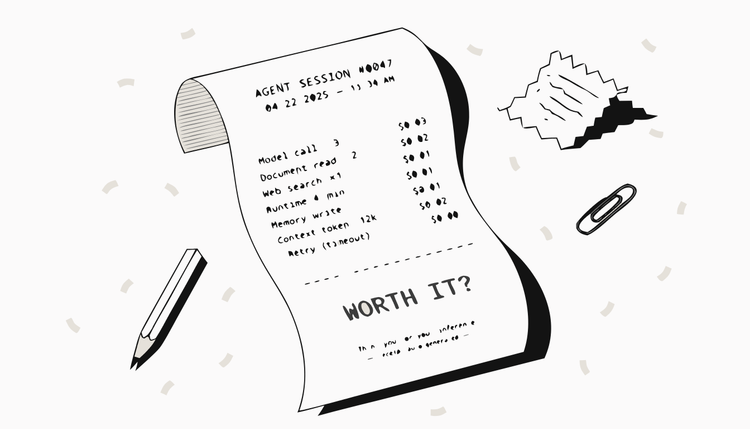
I Got Rugpulled by Cowork. The Meter Is the Best Thing to Happen to Lawyer-Builders.
The meter that rugpulled my contract tool prices compute, not trust. That's exactly why the lawyer who can build it and vouch for it just got more valuable
Thinking in Loops: Finding the Frontier Without a Frontier Budget
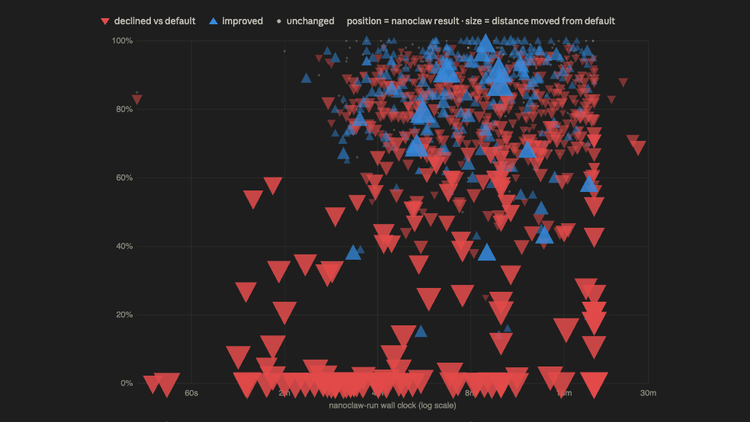
Three days into scoring a legal benchmark, my tokens ran out. The fix wasn't a bigger budget or a better model — it was a different shape. On orchestration, loops, and reaching the frontier of what AI can do without a frontier budget.
My Agent Did the Legal Work. The Benchmark Gave It Zero.
Somewhere in my benchmark results sits a complete legal memorandum. Fifty-eight kilobytes of finished work: issues identified, analysis done,
Commentary: The Pitfalls of Seeking AI Advice From Lawyers
A sharp CNA commentary argues AI can't replace lawyers. It's aiming a very good argument at old technology — and missing the real threat.